
 It’s really important for parents to understand why kids are more susceptible to marijuana addiction today. With acceptance of marijuana use growing in society, a lot of young people see it as “being benign. The reality, though, according to research and clinical experience is vastly different – one that institutions like New Soch Rehab Center and Psychiatric Center Islamabad deal with on a daily basis. Those fathers and mothers who are looking for a trusted support system generally rely on a certified drug treatment center in Rawalpindi, since their teenage years should have very specific care and counseling program combined with immediate intervention.
Teens At Highest Risk of Developing Cannabis Dependence Or Addiction
Teenagers find themselves at an intersection of curiosity, risk-taking and biological changes. This results in a much higher likelihood of adolescents to become addicted to cannabis than adults.
Brain Development During Adolescence
The brain is not fully mature until at least age 25. Teenagers brains are still developing in regions that govern decision-making, impulse control and emotional regulation. These processes are disrupted with cannabis use as it changes the reward center of the brain. Over time THC can cause changes in how pleasure and motivation are processed, as well as reward and stress responses, which in one way or another makes teenagers far more vulnerable to addiction.”
Emotional and Behavioral Changes
Teenagers are those vulnerable little emo-bastards who oscillate between crushing self-doubt and desperate cravings for peer approval. Many people find themselves turning to cannabis as a way of coping in order to avoid their daily stress or societal expectations. The problem with this, however, is that the habit-forming and addictive effects of DXM may set in quite early on, instead teens up for an opioid addiction.
Why Cannabis Seems So “Safe” to Teens
Yet despite the possible dangers, most teens regard marijuana as safe. This is a myth that arises from the media hype, misconceptions and ignorance about long term effects.
Social Media Influence and Normalization
On platforms like TikTok, YouTube and Instagram, using weed is frequently depicted as funny, casual or world-weary. Young people who watch the content start to think cannabis is safe, disregarding that it can have a harmful impact on their brains while they are still developing.
Teen Peer Culture and Experimentation
Peer groups exert great influence on the traits of adolescents. Many young people experiment with cannabis just because “it’s what everyone else does.” It’s frequently about being accepted as opposed to being safe. So yes, social context plays a major role in increased probability of continued use and dependency.
The warning signs parents should never ignore
Early warning signs can help head off casual use before it becomes long-term dependence.
Academic Decline and Secretive Behavior
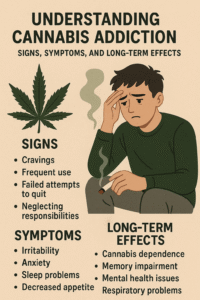
A sudden decline in grades, lack of interest in school or refusal to talk about daily activities could be warning signs of marijuana use. Adolescents could also grow more secretive — locking doors, enshrouding phones or spending less time with their family.
Rapid Mood Changes and Seep Disruptions
Frustration, nervousness, tiredness and erratic sleeping patterns are common side effects of drug abuse. This is a warning sign. Parents should be aware if they see radical personality changes in their teenager that are otherwise unexplainable.
The Lasting Impact of Teen Marijuana Addiction
Marijuana can seem benign because it is relatively low on the risk scale, but long-term use in adolescence can lead to life-changing or lifelong consequences.
Effect on Memory, Learning and Motivation
Marijuana-addicted teens may find it difficult to focus and learn, remember or complete tasks. This has been known to result in poor academic performance and lack of interest towards goals ahead. In the long run, it leads to changes in job opportunities and personal development.
Elevated Risk for Psychological Health Disturbances
Adolescents who smoke cannabis are more likely to have anxiety, depression and even psychotic symptoms. Especially for teens with a family history of mental illness.
What Does New Soch Rehab & Psychiatric Center Islamabad Do?
We recognize the exceptional requirements of teenagers, who are addicted to cannabis at New Soch Rehab and Psychiatric Center Islamabad. Our staff offers research-based treatment tailorded to the unique needs of teens.
Teen and Youth Specific Counseling and Detoxification Facilities
We center around addiction; who we are at our core. There’s one-on-one counseling, group therapy and safe detox all overseen by trained staff for teens.
Family Therapy and Aftercare Support
Addiction affects the entire household. That’s one reason why we involve parents in the healing process, treating them — as well as children who have been subjected to the far reaches of their anxiety-ridden control — with structured family therapy sessions. Our extended aftercare support makes sure teens don’t falter after finishing treatment.
Knowing When to Enroll in Professional Rawalpindi Drug Rehab Center
When your teenage starts to show consistent changes in behaviour, addiction symptoms or withdrawal signs it is time to help them by a government drug rehabilitation center in Rawalpindi. Early agency intervention can avoid lasting consequences and allow teenagers to rebuild their confidence and stability.
Parent FAQs About Adolescent Marijuana Addiction
1. Is pot truly addictive for teens?
Yes. Teenagers are especially susceptible because their brains are still maturing.
2. How can I tell if my teenager is smoking marijuana?
Watch for mood swings, red eyes, secrecy, slumps in academic performance and social shifts.
3. Is there such a thing as casual cannabis use that leads to long-term problems?
Absolutely. Even light use can progress to dependence rapidly among teens.
4. Do I need to deal with my teen right away?
Calmly approach them, and tell them you are worried, not angry. Open conversation is key.
5. What is the treatment for teenage addiction?
So that looks like getting treatment, which obviously includes counseling and detox, but also behavioral therapy and family participation.
6. Why New Soch Rehab and Psychiatric Center Islamabad?
Our specialized adolescent programs are staffed by experienced therapists and designed to treat the aged 12-18 population; we know what works when it comes to teen recovery.
Conclusion
Teenagers, whose hormones and brains are still developing, also have unique emotional, biological and social vulnerabilities that make them especially susceptible to cannabis use disorders. With professional help and caring family participation, there is hope and recovery. Rehab Center for Teens in is a safe and healthy environment that provides the best course to approach recovery.Facilities like New Soch Rehab Center and Psychiatric Rehabilitation Centre Islamabad or any well-known drug rehabilitation center in Rawalpindi provide the structured care teens need to get their health, confidence, and future back.